Drive Organic Growth
With Smarter Social Media Marketing Solutions
Drive organic growth with smarter social media marketing solutions that go beyond just posting content—they focus on building meaningful engagement, expanding reach, and nurturing a loyal community around your brand. By combining data-driven insights, creative storytelling, and platform-specific strategies, you can attract the right audience and inspire authentic interactions that fuel long-term visibility. Smarter social media marketing not only boosts brand awareness but also strengthens trust, increases website traffic, and supports your broader digital marketing goals. With consistent optimization, real-time performance tracking, and a strong focus on audience behavior, your social presence becomes a powerful engine for sustainable organic growth.
150+ Reviews
50+ Reviews

50+ Reviews
Social Media Strategy Basics
Promote Your Company Story and News on the Right Platform
In today’s digitally connected world, social media has become an essential platform for businesses to build brand awareness, engage with audiences, and drive meaningful conversions. But simply being active on social platforms is not enough. To generate real results, brands need a clearly defined social media strategy—one that aligns with their business goals, speaks to the right audience, and leverages content intelligently. Understanding the basics of a strong social media strategy helps businesses streamline their efforts, maximize ROI, and create a cohesive presence across channels. Below are the fundamental components that shape an effective and sustainable social media strategy.
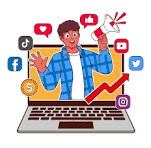
A successful social media strategy begins with defining what you want to achieve. Goals should be aligned with overall business objectives, whether it’s increasing brand awareness, driving website traffic, generating leads, improving engagement, or building a loyal customer community. SMART goals (Specific, Measurable, Achievable, Relevant, Time-bound) help create direction and accountability. For example, instead of saying “grow followers,” a SMART goal would be “increase Instagram followers by 20% in the next 90 days.” Clear goals make it easier to choose the right platforms, track performance, and optimize campaigns.
What is Social Media Marketing?
Social media marketing is the practice of using social media platforms to promote a brand, build audience relationships, and drive business growth. It involves creating and sharing content—such as posts, videos, stories, ads, and interactions—across various networks like Facebook, Instagram, LinkedIn, YouTube, TikTok, and X (Twitter). More than just posting updates, social media marketing is a strategic approach designed to connect businesses with the right audience, spark conversations, and influence buying decisions. In a world where billions of people spend hours each day on social media, it has become one of the most powerful tools for communication, engagement, and online visibility.
At its core, social media marketing is about storytelling, community building, and delivering value. Brands use social media not only to promote products but also to showcase their personality, share insights, educate customers, and provide real-time support. Unlike traditional advertising—which is usually one-way communication—social media marketing allows for two-way interactions, giving brands the opportunity to listen, respond, and adapt quickly to customer needs. This relationship-driven approach makes social media an essential part of modern digital marketing strategies.
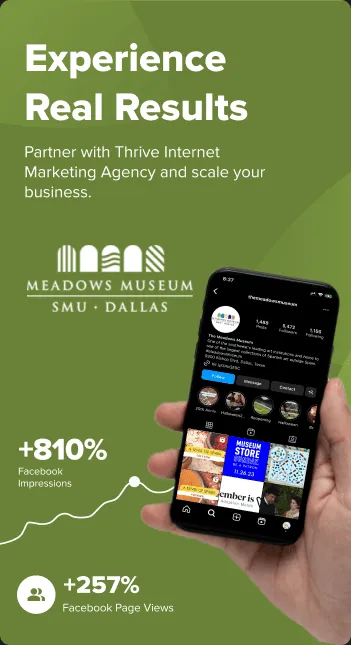
Become our next success story
Explore our social media client case studies to discover what makes our social media marketing agency different from other social media marketing companies:

Gaming Company
+774,345
Impressions
From the Client:
A gaming company reached out to our social media marketing firm to repair its damaged reputation and improve its brand awareness on social media. Four months into the Facebook, X and Instagram social media marketing campaign, our social marketing agency generated the following results:
Post Engagements: +118,177
New Facebook Followers: +1,600
Link Clicks: +12,282

Fitness Celebrity
+$123,319.52
Website Purchase Conversion Value
From the Client:
A fitness celebrity sought the help of our social media marketing consultants to increase online following and monthly participants. Our social media marketing company managed the client’s Instagram and Facebook social media marketing campaign and within six months, our social media creative agency’s efforts resulted in:
New Instagram Followers: +8,000
People Reached: +1,600,821
Post Engagement: +163,282
E-Commerce Store
$+120,345
Revenue
From the Client:
An eCommerce store acquired our social media marketing packages to boost its brand recognition and drive more revenue. To help the client establish a trustworthy brand image and create a steady stream of leads, our social media marketing specialists developed a strategic ad campaign, which brought:
Link Clicks: +18,177
Website Purchase: +1,600
Return on Ad Spend (ROAS):
: +12,23%
Grow your audience and increase your online engagement with social media marketing packages tailored to your needs and branding.
Digital Marketing vs. Social Media Marketing: What’s the Difference?
Digital marketing and social media marketing are often used interchangeably, but they represent two different concepts within the online marketing world, each with its own purpose, channels, and impact, and understanding the distinction is critical for building an effective marketing strategy. Digital marketing is the broader, umbrella term that includes all forms of marketing conducted through digital channels such as search engines, websites, email campaigns, mobile apps, display ads, content marketing, SEO, PPC advertising, video marketing, and even digital PR.
Social media marketing, on the other hand, is a specific branch of digital marketing that focuses exclusively on using social platforms—such as Facebook, Instagram, LinkedIn, YouTube, TikTok, Pinterest, and X (Twitter)—to build brand awareness, grow communities, engage with audiences, and inspire conversations. While digital marketing is broad and performance-driven, social media marketing is more about real-time interaction, storytelling, content creativity, relationship building, and creating a personality for the brand. It includes creating posts, reels, stories, carousels, social ads, influencer collaborations, community management, and social listening. Social media marketing thrives on engagement metrics like likes, comments, shares, and saves, making it highly interactive and conversational compared to other digital tactics that rely more on clicks, conversions, and search rankings. Budgeting also differs: digital marketing often requires investment in tools, ads, SEO services, and analytics platforms, while social media marketing can begin with zero budget through organic posting, although paid social ads significantly amplify results.Despite these differences, the two work best together because social media can feed traffic into digital funnels, improve search visibility through social signals, amplify content distribution, and enhance brand credibility. At the same time, digital marketing tactics like SEO and PPC help customers discover the brand outside of social networks, build long-term authority, and convert leads nurtured through social engagement. In short, digital marketing is the complete ecosystem of online promotion, and social media marketing is one powerful component within that ecosystem. Digital marketing is broad, analytical, and conversion-focused, while social media marketing is creative, relational, and engagement-focused. Both are essential, but they serve different purposes and produce different types of results, and together they create a unified strategy that drives awareness, trust, engagement, traffic, and sales in a competitive digital landscape.
Are Social Media and Digital Marketing Essential to Business?
Yes, social media and digital marketing are essential to modern business because they provide the visibility, reach, and engagement needed to stay competitive in an increasingly digital-first world. With consumers spending more time online than ever, businesses must show up where their audience is—on search engines, websites, and social platforms. Digital marketing helps brands attract targeted traffic, generate qualified leads, and drive measurable conversions through strategies like SEO, PPC, email marketing, and content creation. Meanwhile, social media marketing builds brand awareness, nurtures customer relationships, and fosters community by enabling real-time interactions, storytelling, and trust-building. Together, they create a powerful ecosystem that supports every stage of the customer journey—from discovery to purchase and loyalty. In today’s marketplace, businesses that invest in digital and social strategies not only grow faster but also build stronger, more lasting connections with their customers.
What Are the Benefits of Social Media Marketing
Social media marketing offers numerous benefits that help businesses grow faster, build stronger relationships, and increase their online presence. One of the biggest advantages is enhanced brand awareness, as social platforms allow companies to reach large, diverse audiences with minimal cost. It also boosts customer engagement, giving brands the opportunity to interact directly with users through comments, messages, and real-time conversations. Social media marketing is also highly cost-effective, enabling businesses to create organic content for free or run targeted ads with precise audience segmentation. Additionally, it helps drive website traffic, generate high-quality leads, and even increase sales through optimized campaigns and retargeting strategies. Another important benefit is trust and credibility, as consistent posting, reviews, testimonials, and valuable content strengthen brand reputation. Social media also provides valuable market insights, allowing businesses to understand customer preferences, track trends, and make data-driven decisions. Overall, social media marketing helps businesses stay visible, competitive, and connected in a digital world where customers expect authenticity and engagement.
Better Online Exposure
Better online exposure is all about increasing your brand’s visibility across the digital landscape so more potential customers can discover, trust, and choose your business. It goes beyond simply having a website or social media presence—it’s about strategically showing up where your audience spends their time.
High Search Rankings
High search rankings position your business at the top of search engine results, making it easier for customers to find you before they find your competitors. When your website appears on the first page—especially in the top three results—it naturally earns more clicks, trust, and engagement.
Specific Audience Targeting
Specific audience targeting allows your business to focus its marketing efforts on the people who are most likely to engage with your brand, purchase your products, or use your services. Instead of trying to reach everyone, you tailor your message, content, and strategy to a clearly defined group based on demographics, location, or needs.
Improve Customer Reach
Improving customer reach means expanding your brand’s ability to connect with more potential buyers across multiple digital touchpoints. By leveraging SEO, social media, paid ads, email marketing, and engaging content, you make your business more accessible and visible to the people who need your products or services.
Complete Brand Controls
Complete brand control allows your business to manage how your brand is seen, heard, and experienced across every digital channel. It ensures your messaging, visuals, tone, and values remain consistent—whether a customer finds you on search engines, social media, emails, or your website.It also empowers you to quickly adapt strategies, refine communication.
Enhanced Customer Trust
Enhanced customer trust is the foundation of long-term business success, and it grows when your brand consistently delivers value, transparency, and reliability across all digital channels. When customers see positive reviews, high-quality content, active engagement, and a professional online presence, they naturally feel more confident choosing your business over competitors.
Multiple Marketing Options
Multiple marketing options give your business the flexibility to reach customers through the channels they use most, increasing visibility and boosting engagement. With a mix of SEO, social media, email campaigns, paid advertising, content marketing, and influencer partnerships, you can diversify your strategy and avoid relying on just one platform for results.or services.
Increased Profitability
Increased profitability is the natural outcome of a strong digital marketing strategy that boosts visibility, attracts qualified leads, and converts more customers. When your brand reaches the right audience through optimized SEO, targeted ads, engaging content, and consistent online presence, you generate more opportunities for sales without significantly increasing costs.
Marketing through social media is one of the best ways to humanize your brand and provide customers with an insider’s view of what’s going on in your company. Capitalize on Thrive’s social media marketing services and get more people to promote, support and advocate for your brand.
Contact our social media marketing firm now to learn more about how to use social media for marketing. Our social media company experts are more than happy to answer any questions you may have about social media content creation services and other social media marketing packages we offer.
Begin your social media strategy campaign today.
How to Market on Social Media
Establish Your Business as a Topical Authority and Industry Leader
Marketing on social media starts with understanding who your audience is and choosing the platforms where they are most active. Once you’ve identified the right channels, create valuable, engaging content that aligns with your brand—whether it’s informative posts, eye-catching visuals, reels, stories, or customer testimonials. Consistency is key, so maintain a regular posting schedule and interact with your followers through comments, messages, and shares to build relationships. Use hashtags strategically, collaborate with influencers, and run targeted ads to expand your reach and attract the right audience. Finally, track your performance through analytics to understand what works, refine your strategy, and continually improve results.

- Conduct extensive market research
- Identify the appropriate social media marketing platforms
- Analyze your audience behavior
- Craft engaging content
- Engage with your followers
- Run targeted social media advertisements
- Combine your marketing channels
- Partner with industry influencers
- Optimize your social media pages
- Ensure brand consistency across platforms
- Conduct A/B tests of your ad campaigns
- Analyze campaign results
- Optimize your social media campaigns based on analytics
- Work without a social media marketing plan
- Rely on outdated social media branding services
- Copy competitors’ social media marketing ideas that do not match your branding
- Oversell your products and services
- Measure the wrong metrics
- Treat all social media marketing channels the same
- Rely too much on automation
- Buy followers
- Use irrelevant hashtags
- Keep silent on comment sections and threads
- Cross-post on your social media accounts
- Invest in social media promotion services that don’t deliver measurable results
These B2B social media marketing processes are centered on improving your business’s social media presence and achieving your brand goals. Let our social media promotion agency help you develop and implement a robust social media marketing business plan. Schedule a consultation with one of our social media marketing specialists and let’s turn your social media marketing ideas into a comprehensive strategy!
Social Media Advertising
Boost Your Marketing Game to the Next Level
Social media advertising involves promoting your products or services through paid campaigns on platforms like Facebook, Instagram, LinkedIn, YouTube, and X. Unlike organic social media activity, paid ads let you specifically target users based on demographics, interests, behaviors, and location—ensuring your message reaches the most relevant audience. These ads can take various forms, including images, videos, carousels, stories, and lead-generation formats, each designed to capture attention and drive action. With precise targeting, measurable performance, and flexible budgets, social media advertising helps businesses boost visibility, generate high-quality leads, increase conversions, and achieve faster results compared to organic reach alone. It’s one of the most powerful tools for scaling your marketing efforts efficiently and effectively.
What Is Social Media Advertising and Why Is It Important?
Social media advertising refers to the use of paid promotions on platforms like Facebook, Instagram, LinkedIn, YouTube, Pinterest, and X to reach targeted audiences and drive specific business goals. These ads allow you to showcase products, services, or brand messages through visually engaging formats—such as videos, images, stories, and carousels—while targeting people based on their interests, behaviors, age, location, and more.
It is important because it gives businesses unparalleled precision and reach that traditional marketing cannot match. With social media advertising, you can focus your budget on the people most likely to convert, ensuring higher ROI and reduced waste. It also helps brands increase visibility quickly, build credibility, and stay competitive in crowded markets. Additionally, social platforms provide real-time analytics, allowing you to measure performance, optimize campaigns, and scale results effectively. In today’s digital landscape, social media advertising is essential for driving growth, generating leads, boosting sales, and strengthening customer relationships
Best Uses of Social Media Advertising
Social media advertising is most effective when used to achieve clear, targeted business objectives through strategic campaigns. One of its best uses is brand awareness, where visually appealing ads help you reach large audiences and introduce your business to potential customers. It’s also ideal for lead generation, allowing you to collect emails, form submissions, or inquiries directly through platform-integrated forms. Social media ads excel at retargeting, reminding users who visited your website or engaged with your content to come back and complete a purchase. They are also powerful for promoting products or services, using dynamic ads, carousels, and videos to highlight features and benefits. Additionally, social advertising supports event promotion, special offers, and seasonal campaigns, helping you drive quick engagement and conversions. Overall, it’s a versatile tool that can support awareness, engagement, sales, and long-term customer growth.
Social Media Brand Management
Connect With Your Target Audience Across Your Social Platforms
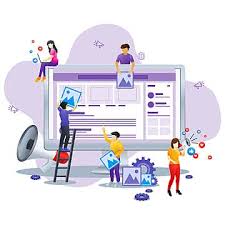
Social media brand management helps you build a strong, consistent presence across all your social platforms so you can connect with your target audience in a meaningful way. It involves creating a unified brand voice, posting engaging content, and maintaining active communication with followers to build trust and loyalty. By understanding your audience’s interests and behaviors, you can tailor your messaging and visuals to resonate with them on platforms like Facebook, Instagram, LinkedIn, and X. Effective brand management ensures your business stays top-of-mind, encourages interaction, and strengthens customer relationships. By showing up consistently and authentically across all channels, you not only grow your online community but also drive long-term engagement and brand loyalty.
At its core, social media brand management is about consistency—consistent visuals, consistent messaging, and consistent interaction. When your audience sees your brand across different platforms, they should instantly recognize your content, tone, and style. This familiarity builds trust, and trust is the foundation of customer loyalty. Whether you’re posting updates, sharing stories, running ads, or engaging with your community, every action should reflect your brandʼs personality and values. This consistent experience across platforms helps reinforce your identity and positions your business as reliable and credible in the eyes of your audience.
One of the biggest advantages of social media brand management is the ability to connect with your target audience where they already are. Unlike traditional marketing, which interrupts people with ads they didn’t ask for, social media allows you to blend seamlessly into their daily routines. By appearing in their feeds with valuable posts, exciting updates, relatable stories, and compelling visuals, your brand becomes part of their everyday life. This deepens emotional connection and increases the likelihood that they will choose your business when they need your product or service. When done well, social media becomes a powerful space where customers feel seen, heard, and connected to your brand.
Another essential aspect of social media brand management is understanding who your audience is and what they care about. Every platform has its own user behavior and content style. For example, Instagram is highly visual and ideal for lifestyle storytelling, while LinkedIn is more professional and suited for thought leadership. Facebook supports community building through groups and long-form content, while X thrives on real-time conversations. By tailoring your content strategy to the platform and the preferences of your audience, you can make your brand more relatable and appealing. When your audience feels like your content is made for them, engagement naturally increases—and so does brand loyalty.
Build a community of loyal, engaged customers and zoom past the competition with increased visibility and sales.
Social Media Agency Services
Supercharge Your SMM Campaigns and Drive More Sales
Search Engine Optimization (SEO)
The goal of SEO is simple: attract more relevant traffic, build credibility, and drive long-term, sustainable growth without relying heavily on paid advertising. With the right SEO strategy, businesses can increase brand exposure, reach their target audience at the right moment, and convert more visitors into loyal customers.SEO combines technical enhancements, high-quality content, keyword optimization, user experience improvements, and authoritative backlinks to help your site rank higher organically
Pay-Per-Click (PPC) Advertising
Pay-Per-Click (PPC) advertising is a digital marketing strategy where advertisers pay a fee each time their ad is clicked. Instead of relying solely on organic traffic, PPC allows businesses to appear at the top of search engine results, social media feeds, or other digital platforms immediately, targeting users who are actively searching for their products or services. Platforms like Google Ads, Bing Ads, and social media networks provide advanced targeting options, ensuring your ads reach the right audience based on demographics, interests, or search intent.
Website Design and Development
Website design and development is the art and science of creating digital experiences that are visually appealing, highly functional, and user-friendly. Good website design ensures intuitive navigation, responsive layouts, and compelling visuals that engage visitors, while robust development ensures fast loading times, secure infrastructure, and seamless performance across devices. Together, design and development create a website that not only reflects your brand identity but also drives business results—whether it’s generating leads,or building credibility.
Video Production
Video production is a dynamic way to tell your brand’s story, engage your audience, and communicate messages more effectively than text or images alone. From concept development and scripting to filming, editing, and post-production, professional video production transforms ideas into visually compelling content that resonates with viewers. High-quality videos can boost brand awareness, increase engagement on social media, drive conversions, and strengthen customer trust. Whether it’s promotional videos, explainer animations, expertly crafted video content ensures your brand leaves a lasting impression in today’s fast-paced digital landscape.
E-mail Marketing
Email marketing is a highly effective digital strategy for reaching your audience directly, building relationships, and driving measurable results. By sending targeted, personalized messages to subscribers, businesses can nurture leads, promote products or services, share valuable content, and encourage repeat engagement. Effective email marketing combines compelling copy, visually appealing design, segmentation, and automation to deliver the right message to the right person at the right time. With measurable metrics such as open rates, click-through rates, and conversions, email marketing provides a cost-effective way to increase brand loyalty, grow revenue.
Content Writing
Content writing is the art of crafting engaging, informative, and persuasive written material that communicates your brand message and connects with your audience. From blog posts and website copy to social media content, email campaigns, and product descriptions, quality content helps businesses establish authority, boost SEO, and drive meaningful engagement. Effective content writing combines creativity with strategy—using the right tone, style, and keywords to attract, inform, and convert readers. By delivering value through well-crafted content, businesses can strengthen their online presence, build trust with their audience, and achieve long-term marketing goals.
Get custom solutions to your specific social media digital marketing needs.
Social Media Strategy Platforms
Surpass Your Competition by Reaching New Customersr
As we transition to a digital world, traditional marketing methods are becoming more obsolete. As a result, many companies struggle to generate more business. Don’t wait until your competitors have taken over the digital realm before you level up your Twitter social media marketing game and other SMM efforts.
Let us help you tap into the social market and find new conversion opportunities. Read on and discover how we leverage different social media platforms to boost your company’s competitive advantage:
Facebook Marketing
Facebook marketing is a powerful way for businesses to connect with their audience, build brand awareness, and drive engagement on one of the world’s largest social media platforms. Through a combination of organic content strategies—like posting engaging updates, videos, and stories—and paid advertising options, businesses can reach highly targeted audiences based on demographics, interests, and behaviors. Effective Facebook marketing helps increase website traffic, generate leads, boost sales, and foster meaningful interactions with your community. By leveraging insights and creative campaigns, brands can create a strong, lasting presence on Facebook that supports overall marketing and growth objectives.
Twitter Marketing
Twitter marketing is the strategic use of Twitter to promote a brand, engage with audiences, and drive traffic or sales. By creating a well-optimized profile with a clear bio, branded visuals, and a pinned tweet, businesses can establish a strong online presence. Effective Twitter marketing involves posting a mix of content—informative posts, promotions, engaging questions or polls, and visual media like images and videos—to capture attention and encourage interaction. Using relevant hashtags and participating in trending conversations helps increase visibility, while actively replying to mentions, retweeting valuable content, and engaging with followers fosters a loyal community.
Instagram Marketing
Instagram marketing is the process of using Instagram to build brand awareness, engage with your audience, and drive business growth. It involves creating an attractive and optimized profile, posting high-quality visual content such as images, videos, reels, and stories, and maintaining a consistent brand voice and aesthetic. Effective Instagram marketing leverages hashtags, geotags, and trending topics to increase discoverability, while engaging with followers through comments, direct messages, and interactive features like polls, quizzes, and stickers to foster community. Paid dvertising options like sponsored posts and Instagram ads allow brands to reach a targeted audience and boost conversions.
Linkedln Marketing
LinkedIn marketing is the strategic use of LinkedIn to build brand authority, connect with professionals, and generate high-quality business leads. It focuses on creating a polished company page, optimizing your profile with industry keywords, and sharing valuable content that positions your brand as a trusted expert. This includes posting thought-leadership articles, business insights, case studies, employee highlights, and industry trends that appeal to decision-makers. Engagement plays a huge role—responding to comments, participating in relevant groups, and networking with potential clients helps strengthen your presence and expand your reach.
Youtube Marketing
YouTube marketing is the strategic use of YouTube to promote your brand, attract viewers, and convert them into loyal customers through engaging video content. It begins with creating a well-optimized YouTube channel that reflects your brand’s identity, including a professional banner, compelling channel description with keywords, and organized playlists for easy navigation. The core of YouTube marketing lies in producing high-quality videos—tutorials, product demos, reviews, behind-the-scenes content, educational explainers, or storytelling pieces—that provide value and keep viewers engaged. Optimizing each video with strong titles, relevant keywords.
Pinterest Marketing
Pinterest marketing is the use of Pinterest’s highly visual and search-driven platform to promote your brand, increase website traffic, and drive conversions through eye-catching pins. Since Pinterest functions like a visual search engine, businesses create high-quality images, infographics, and vertical pins that are optimized with keywords, rich descriptions, and relevant hashtags to appear in search results. By organizing content into themed boards—such as lifestyle, products, tips, or inspiration—brands can make their profile both appealing and encouraging users to explore more of their content. Consistency is crucial, whether you’re pinning daily or scheduling posts through tools like Tailwind.
Why Choose Thrive for Your Social Media Strategy
Forge New Connections and Strengthen Your Competitive Edge
As an award-winning social media management company, Thrive Internet Marketing Agency maintains full transparency so you can see first-hand how our efforts are increasing your online revenue. Our commitment to effective social media management and marketing strategies creates a valuable network resource for your online marketing needs.
Partner with our social media marketing agency and gain the following benefits:
Dedicated Account Managers
A dedicated account manager acts as your primary point of contact, ensuring that all your project needs, communication, and goals are handled with clarity and efficiency. They understand your business deeply—its objectives, challenges, audience, and market—allowing them to craft tailored strategies and solutions that align perfectly with your goals. With a dedicated account manager, you get consistent support, faster responses, and proactive guidance. They monitor performance, coordinate with internal teams, and provide regular updates to keep you informed at every step. Their role is not just about managing tasks but also about building long-term relationships based on trust, reliability, and results.
Extensive Onboarding Process
An Extensive Onboarding Process ensures that every client begins their journey with complete clarity, confidence, and a strong strategic foundation. It involves a detailed discovery phase where the team learns about your business goals, target audience, market challenges, competitors, and existing digital presence. This is followed by setting clear expectations, defining project timelines, outlining deliverables, and establishing communication channels. During onboarding, clients receive a full walkthrough of the services, and workflows that will be used, ensuring full transparency and alignment from day one. A well-structured onboarding process also includes gathering essential assets and creating customized strategies tailored to your business needs
Custom Social Media Strategy
A Custom Social Media Strategy is a personalized, data-driven plan tailored specifically to your brand’s goals, audience, and industry. Instead of relying on generic templates, this strategy is built around what makes your business unique—your brand voice, customer behavior, competitors, and desired outcomes. It starts with a deep analysis of your current social presence, target demographics, and market trends. Based on these insights, a tailored content plan is created that outlines what to post, when to post, and how to engage your audience effectively across different platforms. This custom approach ensures you deliver the right message on the right platform using the right format.
Social Media Campaign Reports
These reports analyze key metrics such as reach, impressions, engagement, clicks, follower growth, and conversions, giving you a complete picture of what’s working and what needs improvement. By breaking down performance by content type, audience demographics, posting times, and ad spend, they help you understand which strategies deliver the best results.Campaign reports also highlight trends, insights, and opportunities, allowing you to make informed decisions for future campaigns. They include visual charts, comparisons, and actionable recommendations to enhance targeting and optimize overall social media ROI. With transparent and detailed reporting and continuously refine their social media strategy for better outcomes.
Paid and Organic Team
The paid team, on the other hand, specializes in targeted advertising campaigns designed to boost visibility, generate leads, increase conversions, and scale results quickly. They manage everything from audience targeting and ad creation to budget optimization and performance tracking. When both teams work together, your brand benefits from the perfect blend of long-term trust-building and fast, measurable growth. The organic side nurtures your audience, while the paid side amplifies your reach—ensuring you achieve consistent engagement, higher ROI, and sustainable business growth across all social platforms. They work to strengthen your brand identity, grow a loyal following, and create meaningful connections with your audience through non-paid efforts.
Diverse Marketing Experience
With experience across various platforms such as social media, SEO, PPC, email marketing, branding, and content creation, marketing professionals can adapt quickly, identify what works best for different business types, and craft campaigns that align with specific goals. This diversity also means familiarity with different audiences, market behaviors, and industry challenges, enabling the team to create innovative strategies grounded in real-world insights. Whether it’s working with startups, established brands, e-commerce stores, or service-based businesses, diverse marketing experience ensures the ability to solve problems creatively and deliver consistent growth. Ultimately, it brings a deeper level of competence, agility, and confidence to every project
You should use social media for your business because it is one of the most powerful and cost-effective ways to reach your audience, build trust, and grow your brand online. With billions of active users across platforms like Facebook, Instagram, LinkedIn, and YouTube, social media helps you connect with potential customers where they spend most of their time. It increases brand visibility, drives traffic to your website, and allows you to engage directly with your audience through comments, messages, and interactive content. Social media also helps you understand customer behavior through insights and analytics, enabling you to make smarter marketing decisions. Whether you want to boost sales, generate leads, strengthen customer relationships, or stay ahead of competitors, social media provides the tools and reach needed to achieve your business goals effectively.
The social media platforms you should sign up for depend on your business goals, target audience, and the type of content you plan to share. However, most businesses benefit from having a presence on major platforms like Facebook for broad reach and advertising, Instagram for strong visual branding and engagement, and LinkedIn if you operate in the B2B or professional services space. YouTube is ideal for brands that can create video content, tutorials, or product demos, while Twitter (X) works well for real-time updates and customer interaction. If your business is visual or product-driven—such as fashion, beauty, décor, food, or lifestyle—Pinterest and TikTok are excellent for inspiration-based and viral content. Ultimately, choosing platforms that align with where your audience spends their time will help you maximize visibility, engagement, and results for your business
How often you should post on your social channels depends on the platform and your goals, but consistency is far more important than volume. In general, most businesses see strong results by posting 3–5 times per week on Instagram and Facebook, daily or multiple times a day on Twitter (X), 2–3 times per week on LinkedIn, and 1–2 high-quality videos per week on YouTube. TikTok and Pinterest typically perform best with frequent posting, ideally 5–7 times per week, due to their algorithm-driven discovery systems. However, the key is to maintain a schedule you can stick to consistently without compromising quality. Posting regularly keeps your audience engaged, improves visibility, and helps the algorithm recognize your content. What matters most is delivering valuable, relevant posts consistently, rather than posting too much and burning out or posting too little and becoming invisibl
The difference between an ad and a post on social media lies in purpose, reach, and how they are delivered to your audience. A post is organic content shared on your profile for free, visible mainly to your followers and people who engage with your page. Its reach depends on the platform’s algorithm, consistency, and audience interaction. Posts are ideal for building relationships, sharing updates, educating your audience, and strengthening your brand identity over time.
An ad, on the other hand, is paid content designed to reach a specific, targeted audience beyond your existing followers. Ads allow you to choose who sees your message based on demographics, interests, behavior, and location. They are created to achieve specific goals—like generating leads, driving sales, boosting website traffic, or increasing brand awareness—and they offer detailed performance tracking and optimization options. While organic posts help build trust and community, ads offer faster visibility and more controlled, scalable growth.
Promoted or boosted social posts are regular posts on social media that a business pays to amplify so they reach a larger or more targeted audience beyond their existing followers. By boosting a post, you can increase its visibility, engagement, and reach based on specific demographics, interests, locations, or behaviors. These posts are ideal for highlighting important announcements, promoting products or services, or giving high-performing content extra exposure. Unlike full-scale ad campaigns, boosted posts are simple to set up, making them an easy and effective way to extend the impact of your organic content and connect with a wider audience.